Product Description
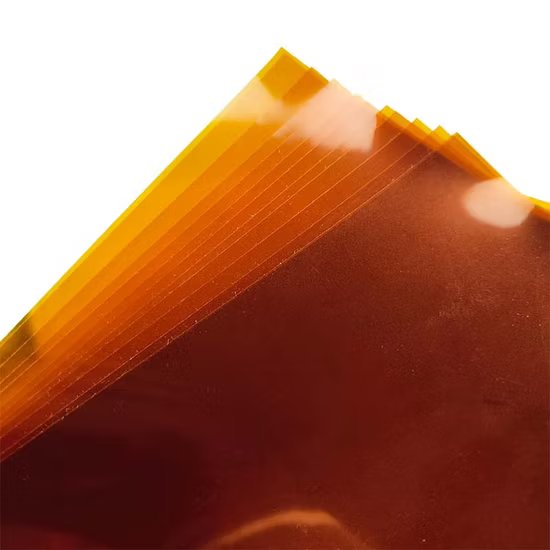
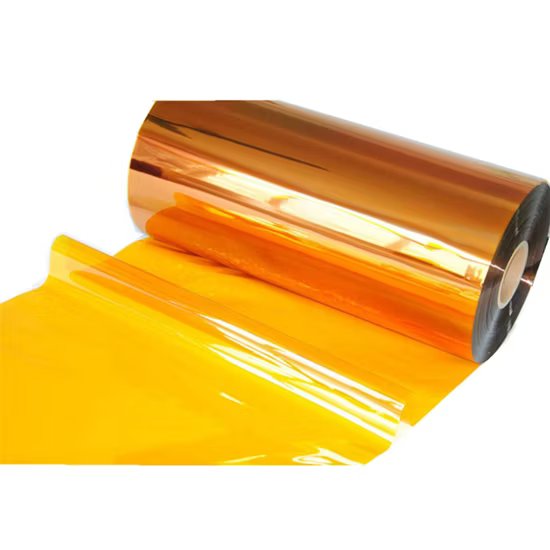
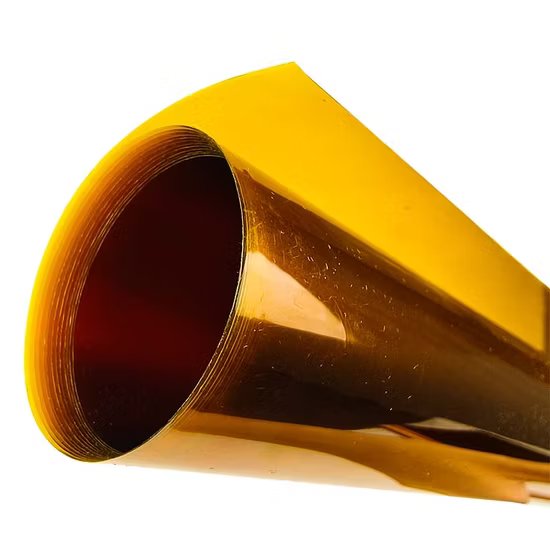
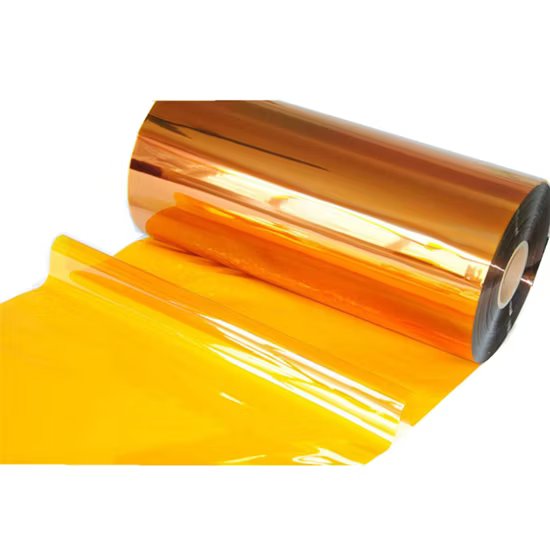
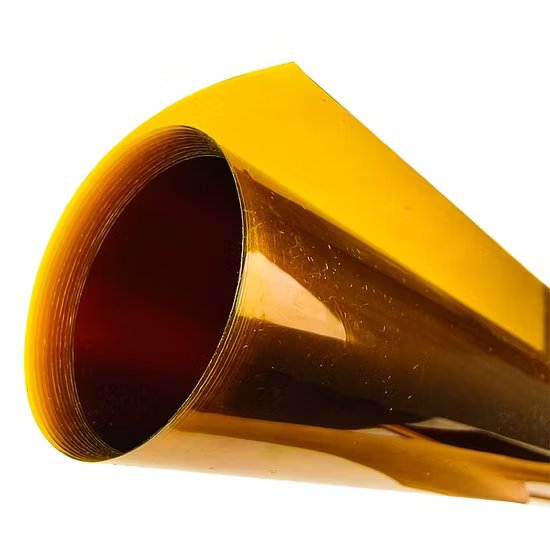
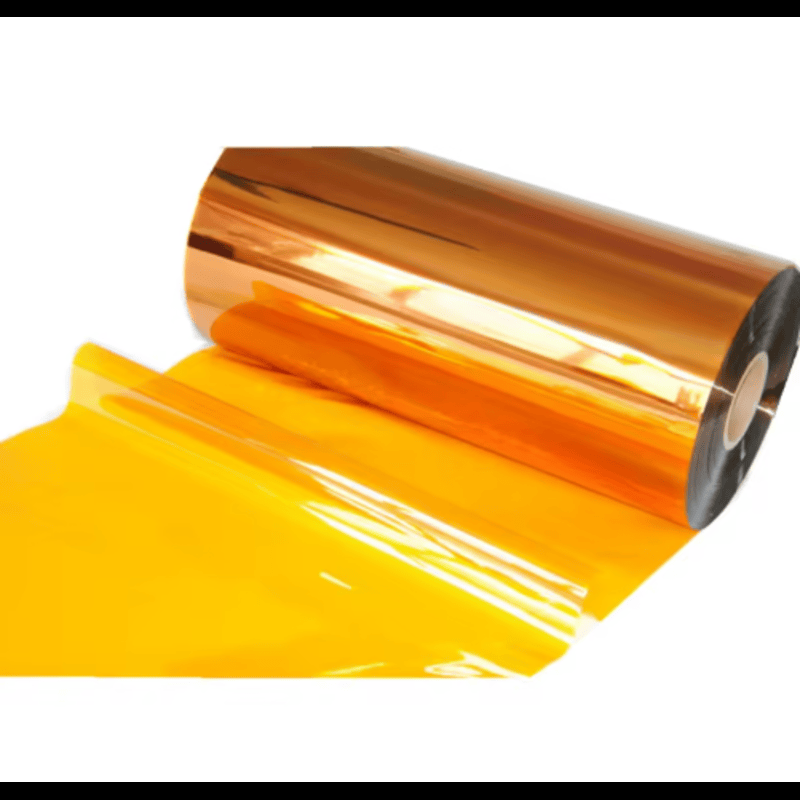
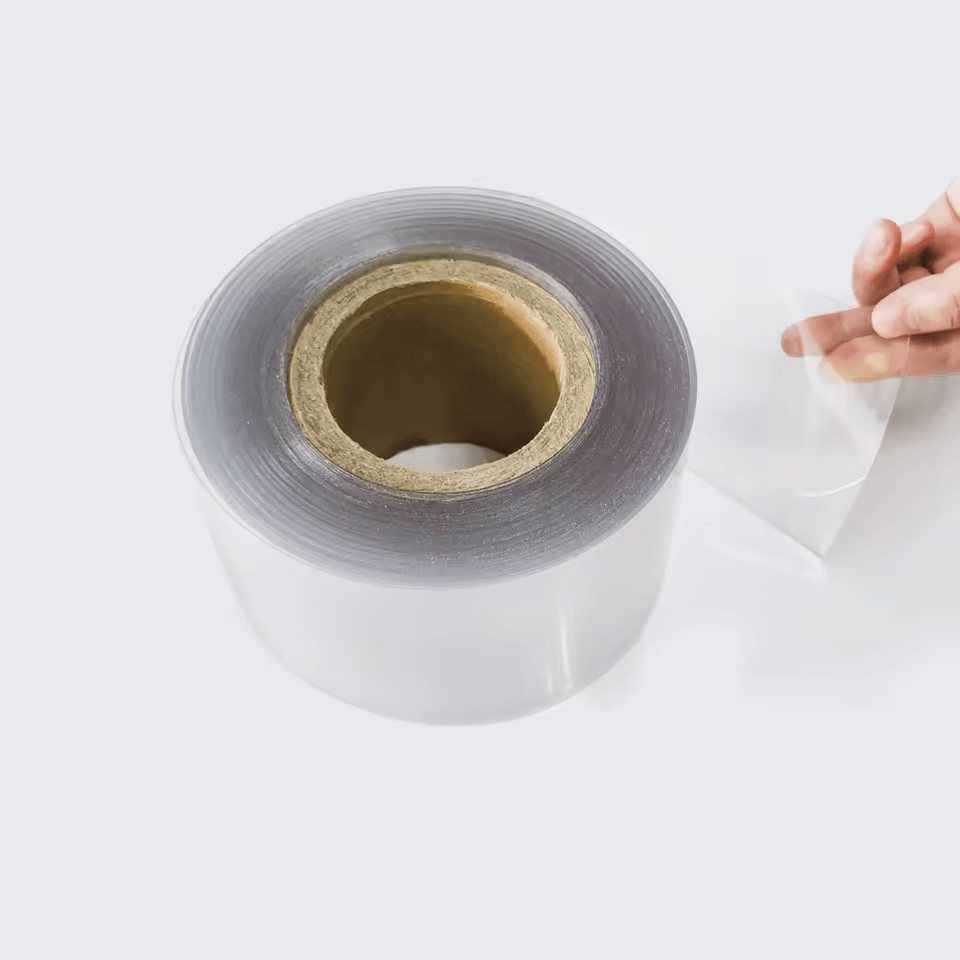
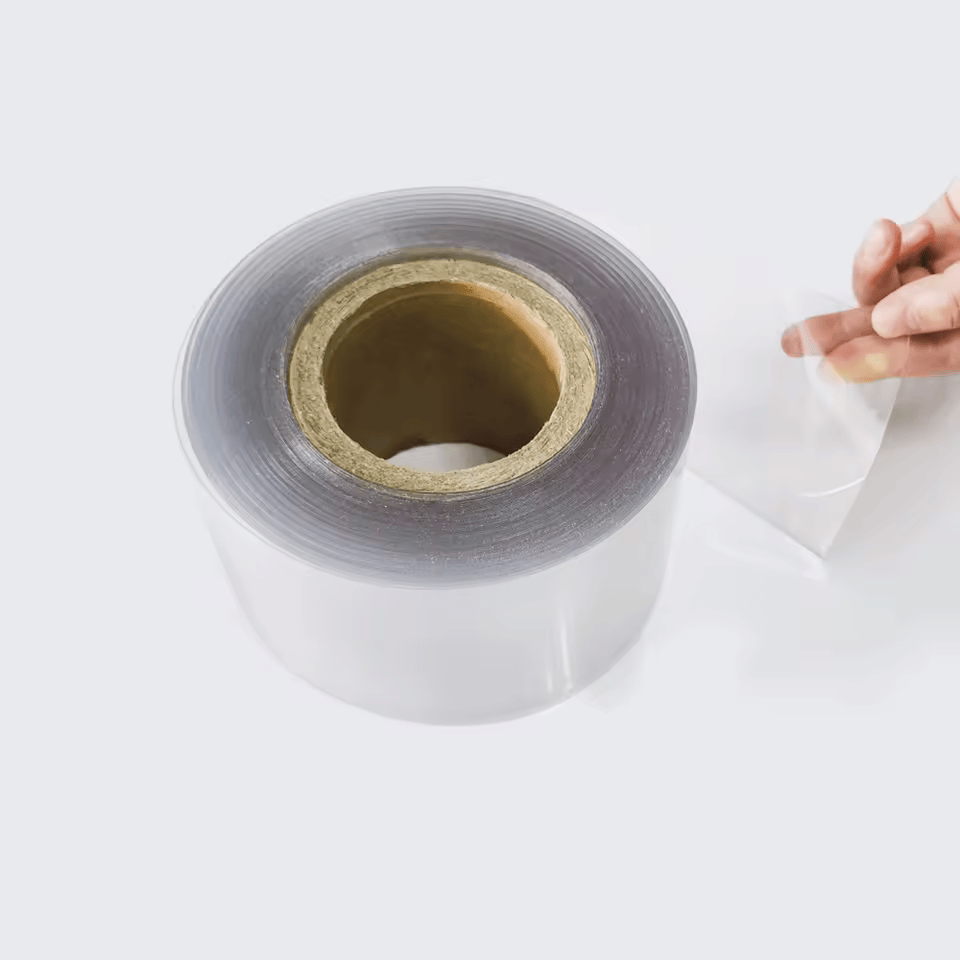
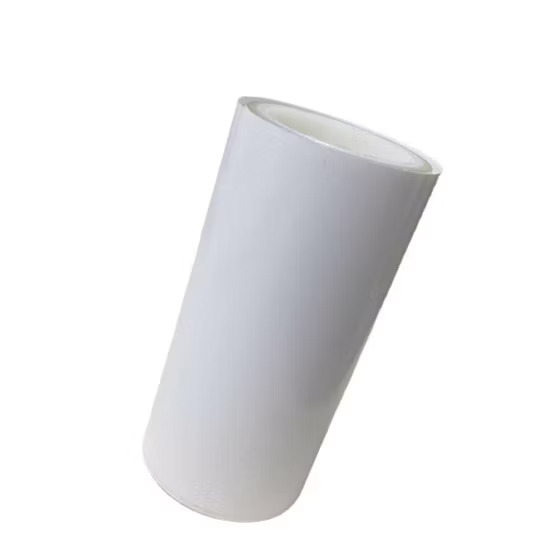
Polyimide Fluorine Composite Film Polyimide Film
Polymide film is a kind of special plastic film, flat and smooth, no crease,no particular air bubble and no pinhole, with excellent mechanical properties,
dielectric properties, long-term working temperature-195 degree to 280 degree,widely used in sophisticated products in appliance, statellite navigation, digital product,electric motors, computer, mobile phone and so on, such as the base dielectrics in flexibleprinted circuits (FPC), tape automated bonding (TAB), pressure sensitive tape (PST),and insulation for electric motor(Insulation).
It has excellent electrical insulation properties, mechanical properties, excellent temperature resistance, resistance to Radiation, chemical stability and flame retardancy and etc.
it iswidely used for wire insulation wrapping and coil insulation binding of largeindustrial motors, traction motors, and generators.Technical Data
| Indicator name |
Unit |
Index value |
| Nominal thickness |
um |
25 |
40 |
50 |
75 |
100 |
125 |
| Thickness deviation |
um |
4 |
4 |
7 |
8 |
7 |
11 |
| Iensile strength (vertical / lateral) |
um |
165 |
165 |
165 |
165 |
165 |
165 |
| Elongation at break(verticalateral) |
% |
40 |
50 |
50 |
50 |
50 |
50 |
| AC electrical strength(48Hz-62Hz) |
V/um |
235 |
|
195 |
175 |
|
120 |
| Slitting width |
range |
mm |
Allowable devation |
| <26 |
|
0.4 |
| 26102 |
|
0.8 |
| >102 |
|
1.6 |
| density |
kg/m3 |
142510 |
| Melting point |
---- |
Not melting |
| Relativepermittivity 23C |
50Hz |
--- |
3.50.4 |
| 1KHz |
|
3.40.4 |
| Dielectric loss factor 23 C, 50 Hzor 1 Hz |
|
4.0x10⁻³ |
| Volume resistivity |
.m |
1.0x10¹⁰ |
| Surface resistivity |
|
1.0x10¹⁴ |
| Water absorption (wet 24h) |
% |
4.0 |
Detailed Photos


Application

Versatile Electrical & Industrial PerformancePolyamide Film excels in demanding environments due to its impressive electrical insulation and mechanical durability. This film is highly suitable for wrapping conductors in motors and transformers, serving as a primary or secondary insulation layer. Its high performance extends well into the packaging and aerospace fields, offering both thermal and chemical protection.
Custom Sizing and Application FlexibilityWith customizable widths (250 mm to 1500 mm) and a wide standard thickness range (12125 micrometers), Polyamide Film can be tailored to precise specifications. This adaptability ensures compatibility across various industries, from industrial electrical manufacturing to protective barrier films in packaging and transportation sectors.
FAQs of Polyamide Film:
Q: How is Polyamide Film typically used in electrical applications?
A: Polyamide Film is widely employed for electrical insulation in motors, transformers, and cables due to its high rated voltage and excellent dielectric properties. It acts as a durable, reliable barrier against electrical discharge and external contaminants.
Q: What are the key benefits of using Polyamide Film over other insulating films?
A: This film provides superior tensile strength, abrasion resistance, and flexibility at low temperatures. It also exhibits excellent barrier properties against oil and gases, making it a preferred material for applications needing both mechanical and electrical reliability.
Q: When should I consider choosing Polyamide Film for my project?
A: Polyamide Film is ideal when your application requires continuous use in extreme temperatures (60C to +150C), high electrical insulation, mechanical durability, or robust chemical resistance, such as in automotive, aerospace, and high-voltage electrical industries.
Q: Where can Polyamide Film be sourced in India?
A: As a distributor, exporter, importer, manufacturer, supplier, and trader, Polyamide Film is widely available across India from specialized industrial material suppliers serving the electrical, packaging, and engineering sectors.
Q: What is the process of customizing Polyamide Film for specific requirements?
A: You can request Polyamide Film in customized widths (typically 250 mm1500 mm) and thicknesses (12 m125 m). Suppliers assess your applications needssuch as voltage, temperature resistance, and barrier requirementsbefore tailoring the films size and type accordingly.
Q: What typical industries benefit from Polyamide Film usage?
A: Industries such as electrical manufacturing, automotive, aerospace, and industrial packaging gain from Polyamide Film due to its insulating properties, flexibility, and chemical resilience, which ensure product performance and operational safety.

 Send Email













 Send Inquiry


 Send Inquiry
 Send SMS


 English
 Spanish
 French
 German
 Italian
 Chinese (Simplified)
 Japanese
 Korean
 Arabic
 Portuguese