Product Description
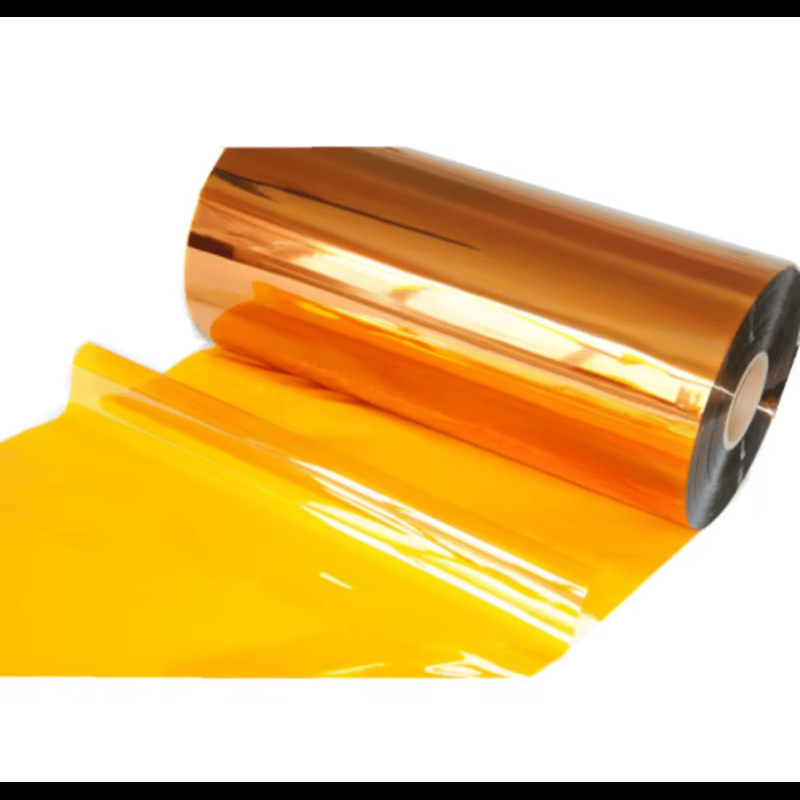
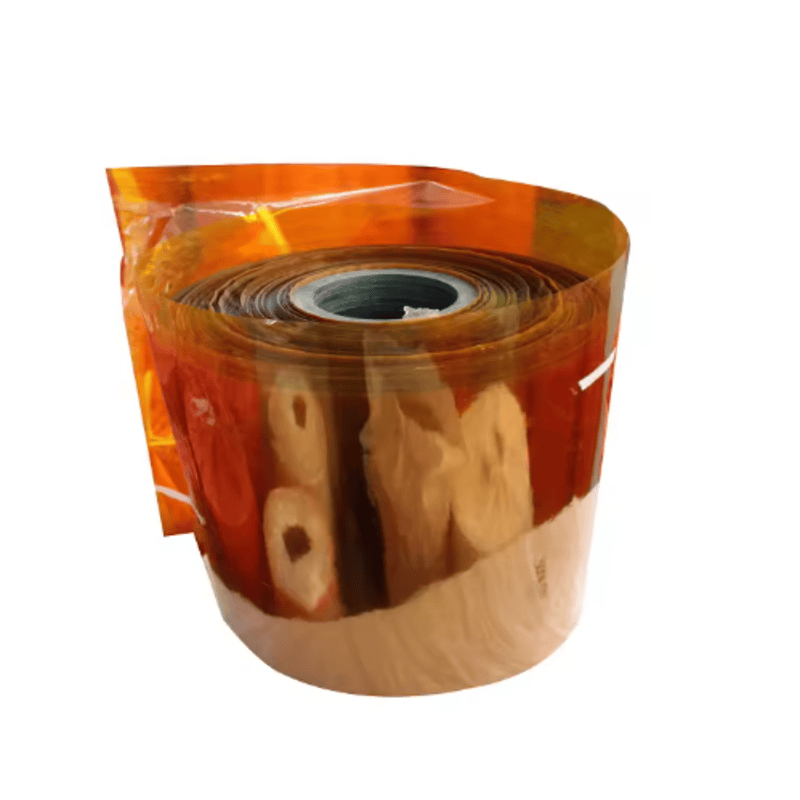
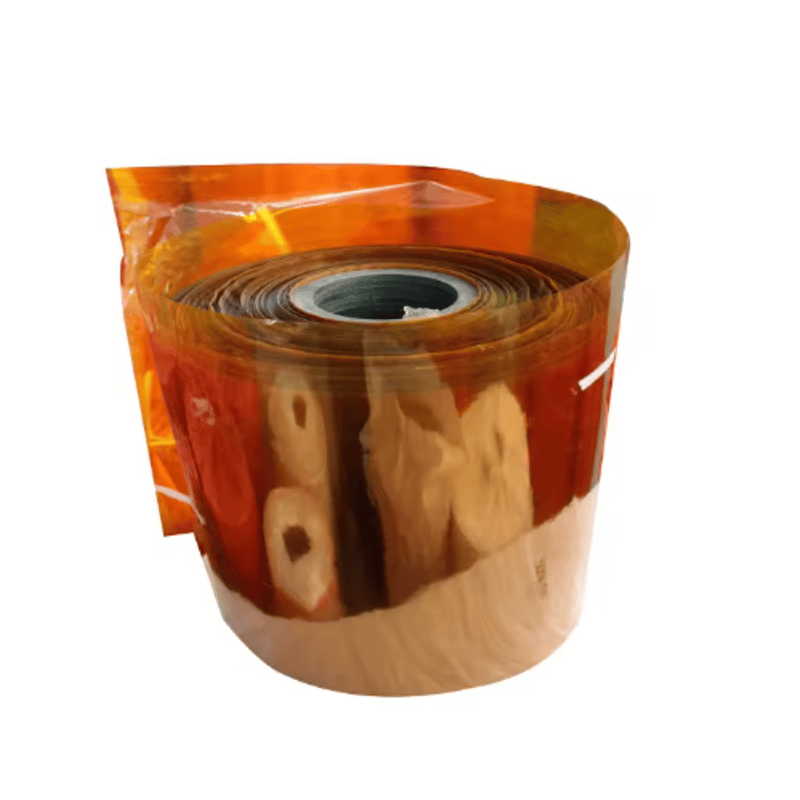
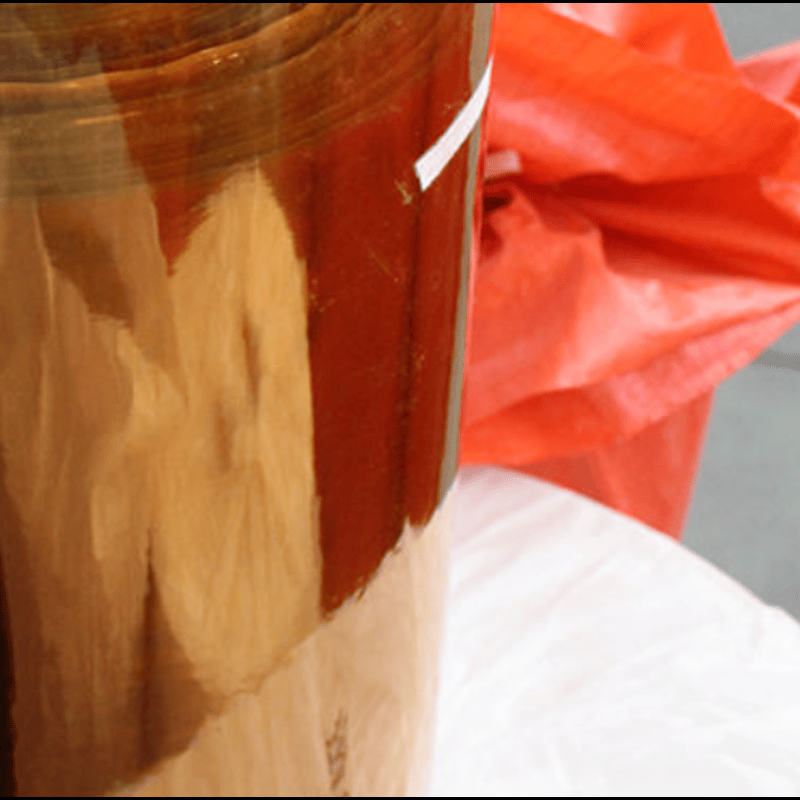
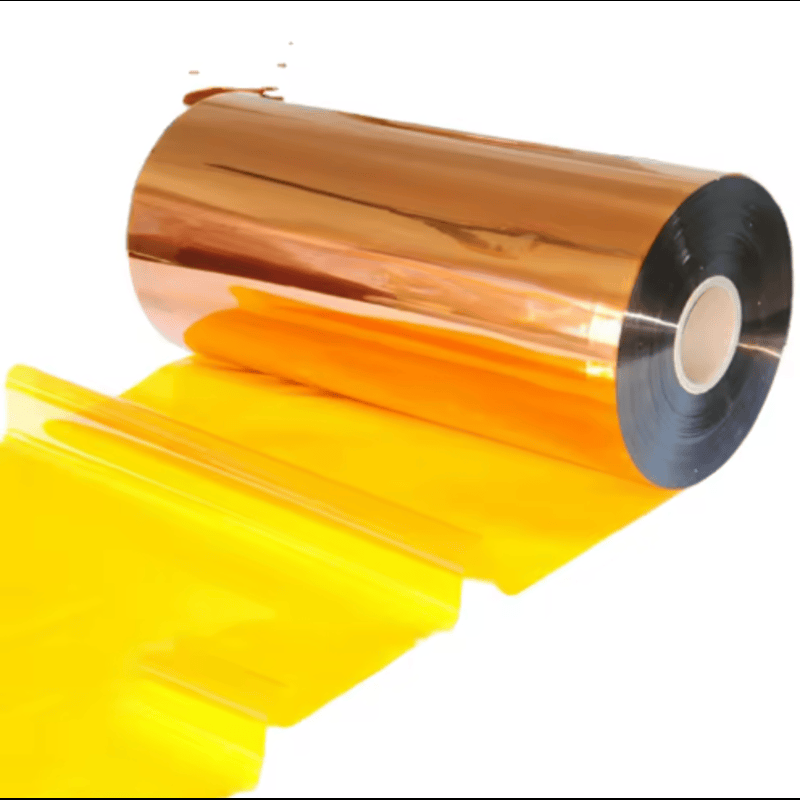
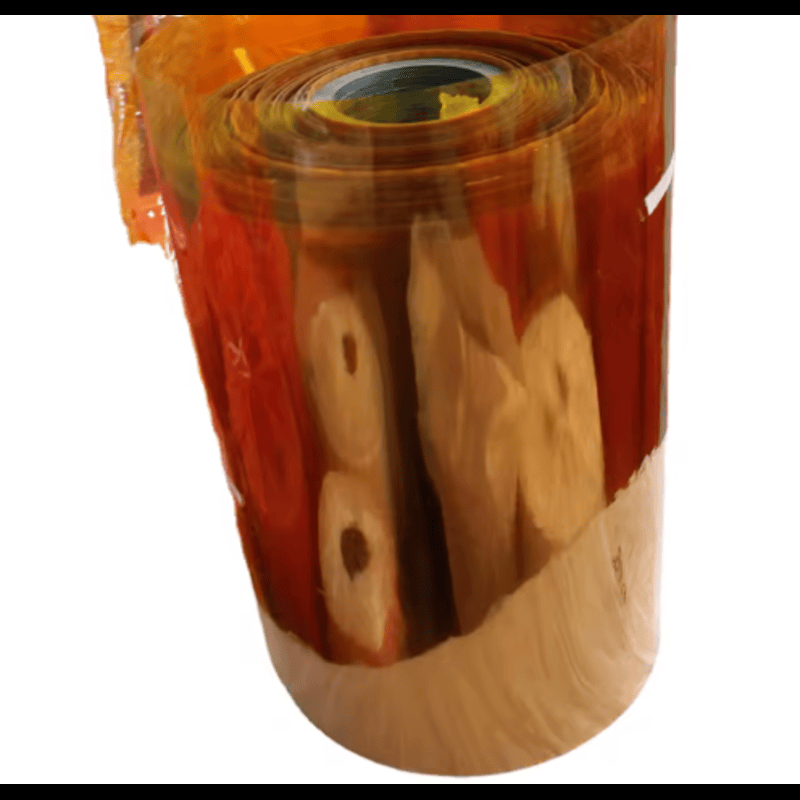
FEP Polyimide Film
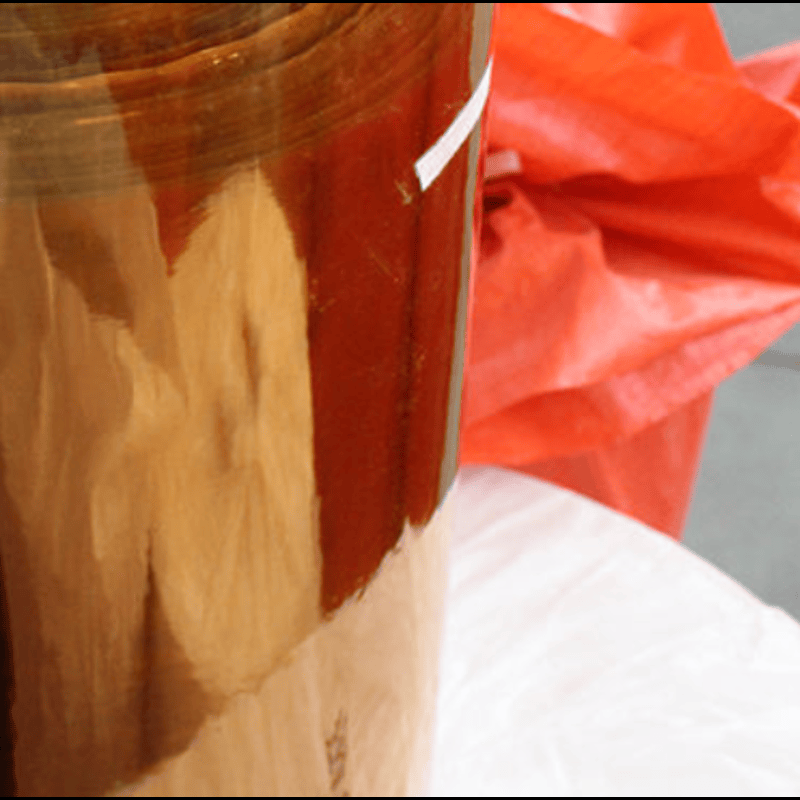
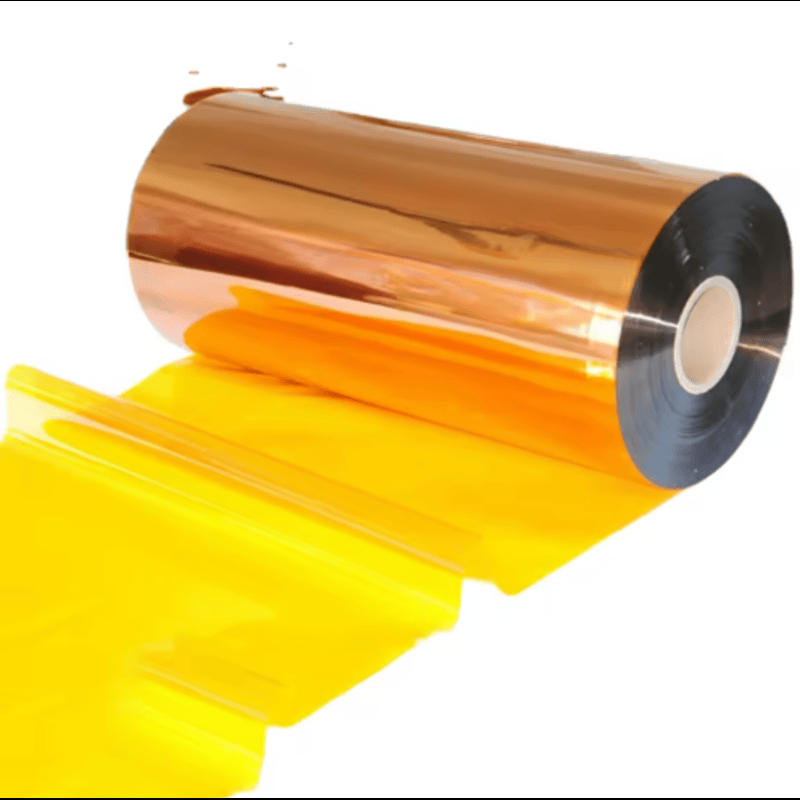
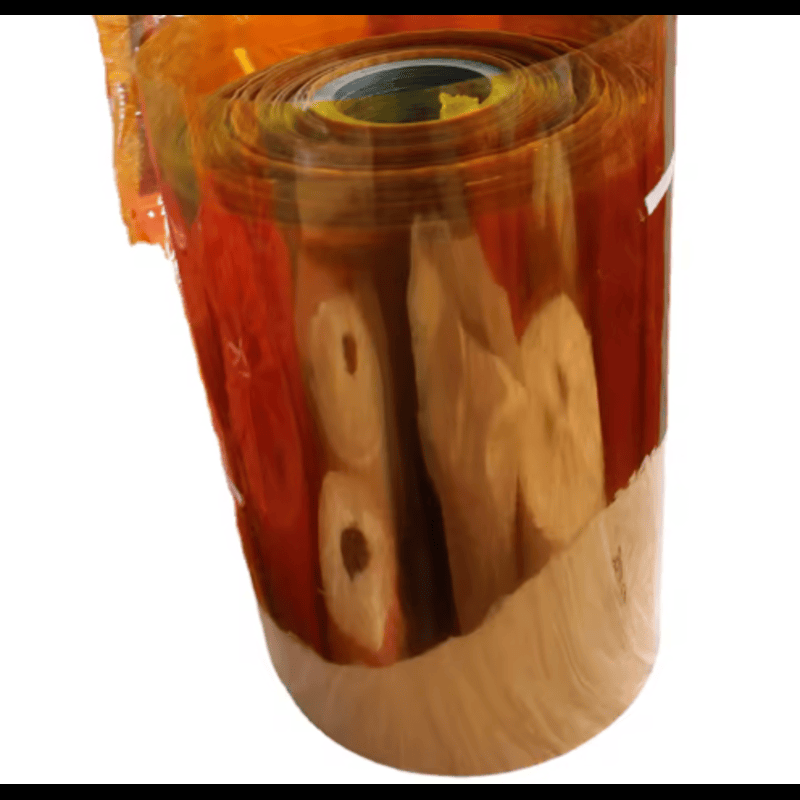
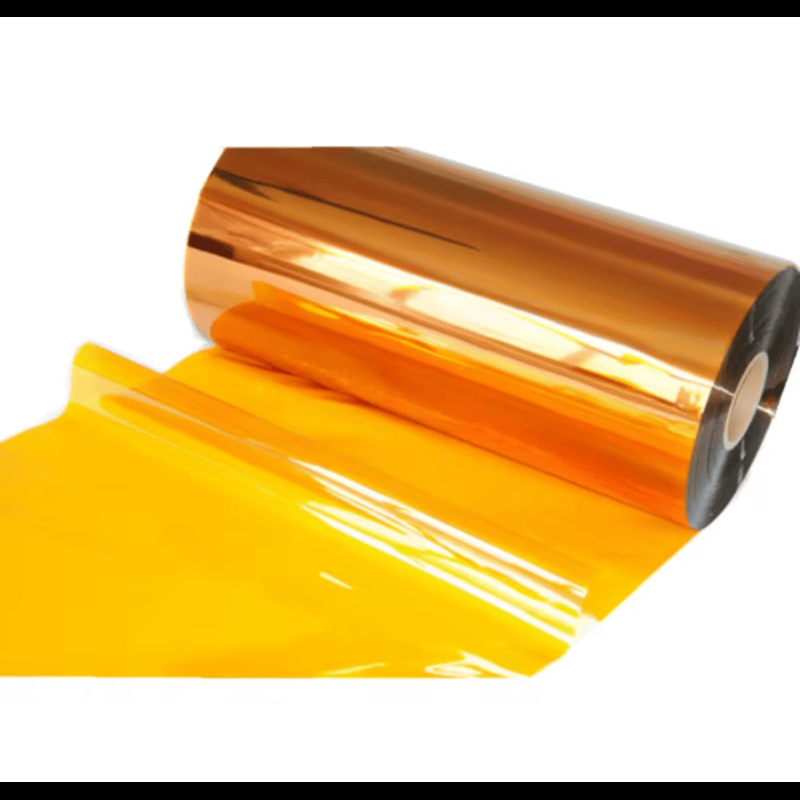
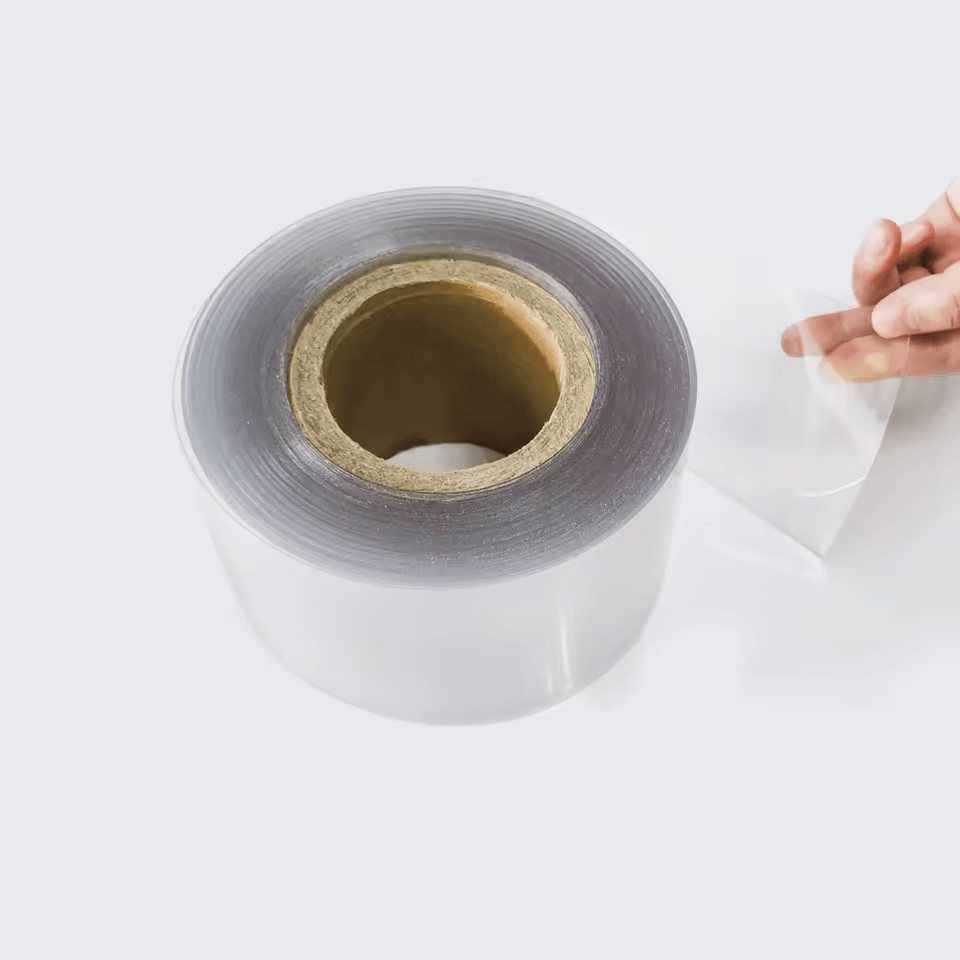
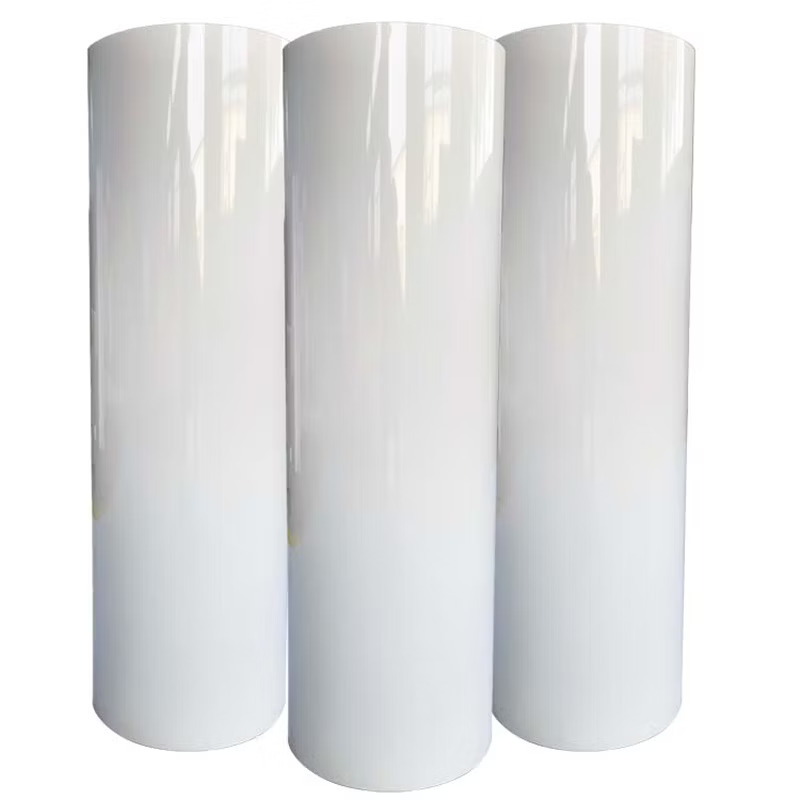
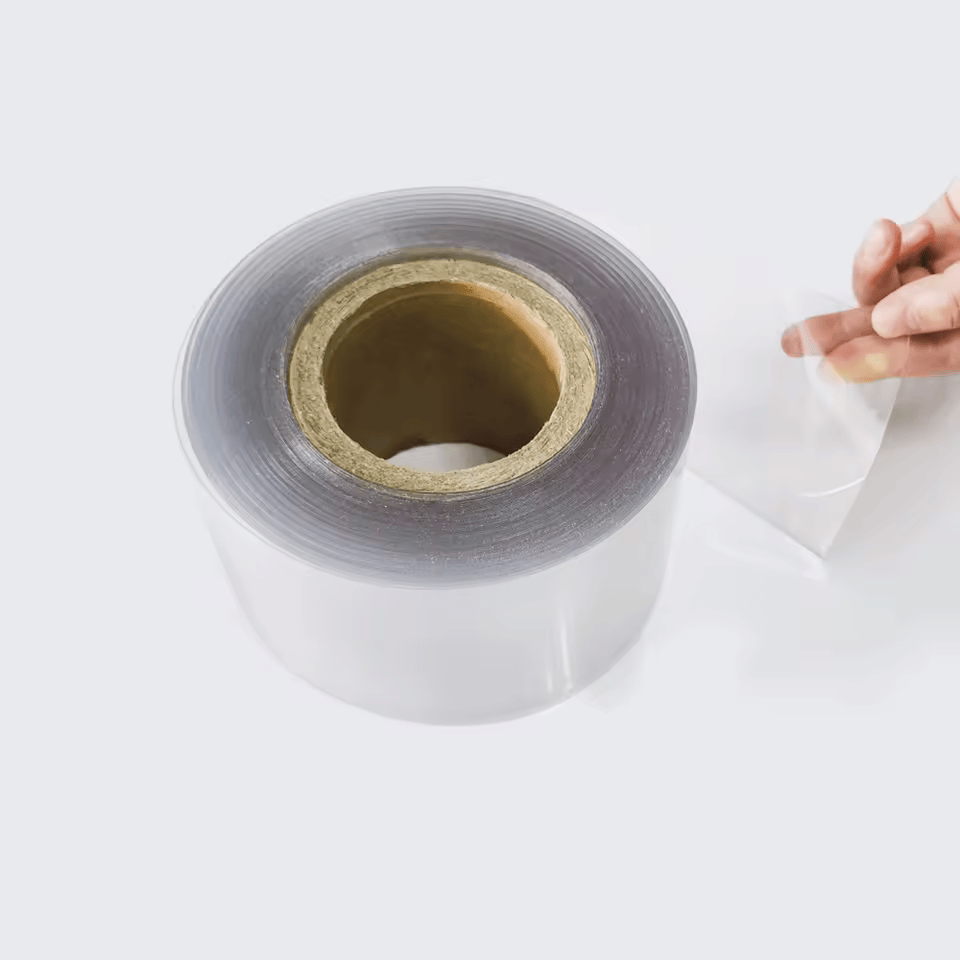
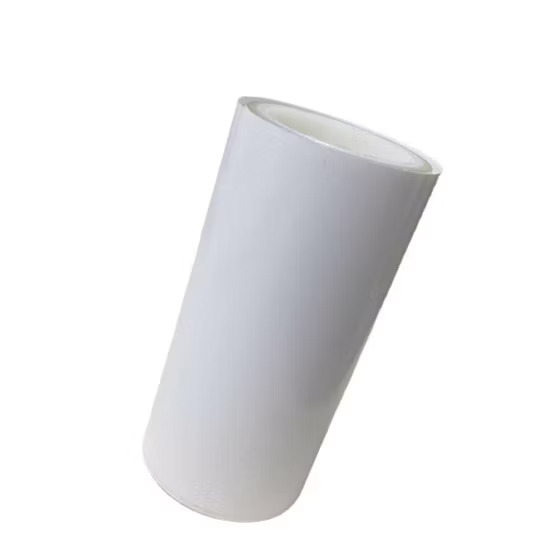
FEP (Fluorinated Ethylene Propylene) coated Polyimide Film is a high-performance insulation material widely used in electrical, electronic, and aerospace applications. By combining the superior thermal stability of polyimide with the chemical resistance and non-stick properties of FEP, this film delivers excellent performance in demanding environments.
The film offers high dielectric strength, outstanding flexibility, and resistance to heat, moisture, and chemicals. It is commonly used for wire and cable insulation, flexible printed circuits, coil and transformer wrapping, and other high-temperature insulation requirements.
Key Benefits
-
Exceptional electrical insulation with high breakdown voltage
-
Heat-resistant, operating reliably up to 200C continuous use
-
Non-stick and chemically resistant surface due to FEP coating
-
Excellent mechanical strength and dimensional stability
-
Flexible and easy to process for wrapping, laminating, or fabricating
Applications
-
Wire and cable insulation for aerospace, automotive, and electronics
-
Flexible printed circuits (FPCs) and specialty laminates
-
Transformer and motor insulation wrapping
-
High-temperature tapes and industrial adhesives
-
Insulation for coils, heaters, and sensors
If you are seeking a durable, high-temperature insulation material with superior chemical resistance, FEP Polyimide Film is a trusted solution for advanced industrial and electrical applications.
Superior Insulation and Thermal EnduranceDesigned for both low and high-voltage uses, FEP Polyamide Film provides excellent dielectric properties and handles continuous temperatures up to 200C. Its robust construction ensures reliable insulationeven in rigorous industrial environmentsmaking it ideal for applications ranging from wire and cable insulation to transformer and motor protection.
Reliable Resistance and DurabilityWith outstanding chemical, moisture, and radiation resistance, this film is engineered to perform in aggressive and high-humidity environments. The FEP coating delivers a stable non-stick, glossy surface, enhancing lifespan and ease of processing. Its impressive flexibility and mechanical strength ensure suitability for complex manufacturing and demanding operational conditions.
FAQs of FEP Polyamide Film:
Q: How does the FEP Polyamide Film enhance electrical insulation performance?
A: Thanks to the polyimide base and FEP coating, the film achieves high dielectric strength and thermal insulation, supporting expected breakdown voltages of 512 kV depending on thickness. This combination offers dependable protection for wires, transformers, motors, and electronic circuits in high-voltage and high-frequency applications.
Q: What environments are suitable for installing FEP Polyamide Film?
A: This film thrives in both low and high temperature environments, withstanding continuous exposure from -200C up to +200C, and even tolerating short-term spikes to 260C. Its chemical and moisture resistance make it suitable for industrial, automotive, aerospace, and electronic manufacturing settings where reliability and safety are paramount.
Q: Where can FEP Polyamide Film be used effectively?
A: It is commonly used in wire and cable insulation, transformer and motor wrapping, flexible printed circuits (FPC), high-temperature adhesive tapes, as well as coil, sensor, and heater insulation. Its adaptability to various voltages and frequencies makes it a preferred solution in aerospace, automotive, and electronics industries.
Q: What is the recommended handling and installation process?
A: FEP Polyamide Film should be stored in a clean, dry environment to preserve its properties. During processing, controlled heat sealing or lamination is recommended to ensure uniform bonding. The films superior flexibility and mechanical strength facilitate easy slitting, cutting, and shaping to fit diverse design requirements.
Q: What are the benefits of using FEP Polyamide Film in demanding applications?
A: Users gain long-term electrical insulation, high heat resistance (continuous up to 200C), chemical and moisture resilience, and non-stick surface characteristics. These attributes reduce performance failures, extend operational life, and ensure safety in critical systems, such as aerospace and automotive wiring and electronic components.

 Send Email







 Send Inquiry


 Send Inquiry
 Send SMS


 English
 Spanish
 French
 German
 Italian
 Chinese (Simplified)
 Japanese
 Korean
 Arabic
 Portuguese